
CategoriesNews
Montessori Learning Center’s Taste of Spain 2022
Join us February 25, 2022 from 5:30pm-7:00pm, for our annual Taste of Spain dinner. This benefit dinner is for the growth and development of Montessori Learning Center. Hosted at Saint

Authentic Valencian paella catering for weddings and events across North Florida
Join us February 25, 2022 from 5:30pm-7:00pm, for our annual Taste of Spain dinner. This benefit dinner is for the growth and development of Montessori Learning Center. Hosted at Saint

Learn the history, traditions, and facts about some of the ingredients typically used in Spanish cuisine and a key to Real Paella. A country of regional kitchens Spain is made

By Susan Benton
Just like many argue about what ingredients constitute the best Cajun versus Creole Gumbo, paella aficionados in the know are often in dispute about what to use in Spain’s most authentic dish, as the ways of making paella are as many and varied as the people who cook it.
My money is on Juan Ten, the man with the pan, who was born in his parents (Salvador and Lola’s) native Valencia, raised in Madrid, has a thriving Real Paella business in Tallahassee, and is now residing part time in South Walton to bring his family recipes, passed down from generations before him, to the Emerald Coast. …
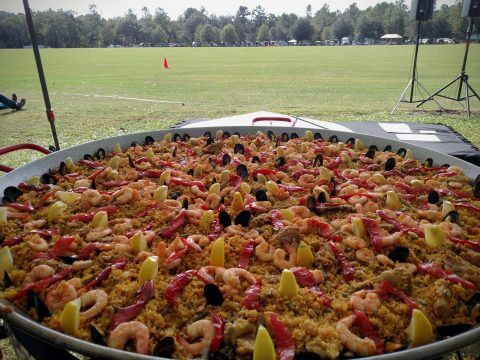
(pronounced: “pah-EH-yuh”) A saffron-flavored Spanish dish made with varying combinations of rice, vegetables, meat, chicken, or seafood traditionally eaten on Sunday.
Initially the consumption of rice in Valencia was limited to its use in the form of flour or semolina. In the XVIth century baked rice in a clay pot was already consumed in Valencia , by the XVIIIth century, there is already documentation of the dish known as paella. …
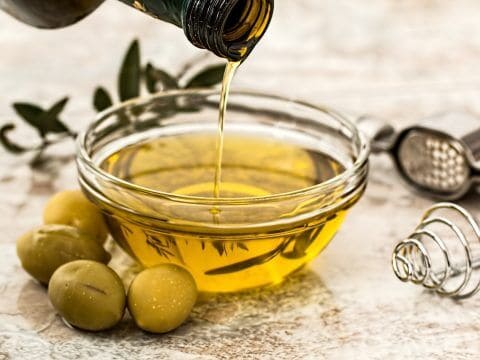
Spain has approximately 1,800 factories dedicated to the production of virgin olive oil (half of which are located in Andalucia) and 308 million olive trees(185 million in Andalucia), and produces 830,000 tons of olive oil annually, around 34 percent of the world production. That makes Spain the main producing country of olive oil in the world.
The province of Jaen in general, and the city of Martos in particular, claims to be the “World Capital of Olive Oil” as the largest producer of olive oil in the world. …
By LAUREN DELGADO | Daily News
Growing up in Valencia, Spain, Juan Ten ate paella twice a week. He still makes the Spanish rice dish today, just a bit more expansively.
He now operates Real Paella Catering, a Tallahassee-based catering service that serves fresh, authentic paella. They can bring the completed paella or cook the dish onsite at gatherings to serve up to 1,000 people. …
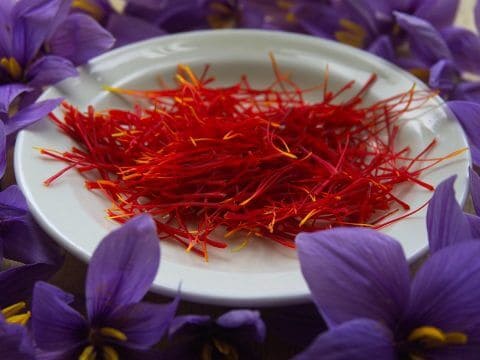
The word saffron derives from the Arab word zafaran, meaning yellow, and it was mentioned as far back as 1500 b.c. in many classical writings, as well as in the Bible. Further derivations come from the Old French safran, Medieval Latin safranum, and Middle English safroun.
Saffron is harvested from the fall-flowering plant Crocus sativus, a member of the Iris family. It is native to Asia Minor, where it has been cultivated for thousands of years to be used in medicines, perfumes, dyes, and as a wonderful flavoring for foods and beverages. …

This historic cheese is named for the Spanish region of La Mancha, also home of Don Quixote. Made of pasteurized sheep’s milk, it has a black gray or buff colored rind with a crosshatch pattern. The interior ranges from stark white to yellow, depending on age. …

Serrano ham is one of Spain’s most valued culinary treasures, a symbol of centuries of history and tradition. To the rest of the world, it is simply one of the richest gourmet delicacies available today. …

This is Spain’s traditional sausage, seasoned with paprika and garlic.
Chorizo seems to have its origins in the Catalan xoriço. There are seventeen officially recognized varieties of in Catalonia. It is usually made from lean pork (Iberian pig), garlic, paprika, red bell peppers, and red chile pepper flakes. …